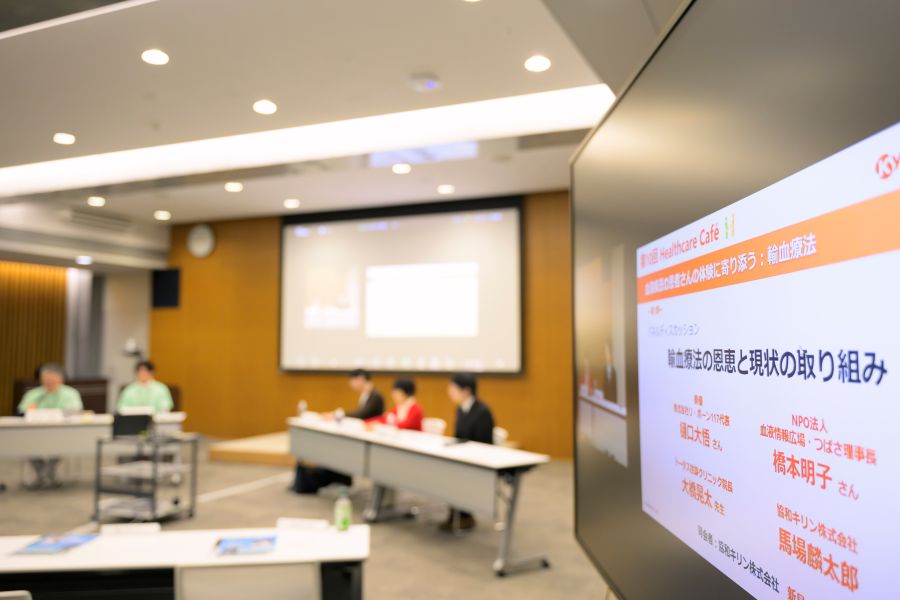
The Healthcare Café is an initiative aimed at understanding patients’ genuine needs through dialogue with patients and their families. This initiative is a collaborative effort between Kyowa Kirin, Takeda Pharmaceuticals, and Daiichi Sankyo. The 10th session, held in December 2025, was organized and managed by Kyowa Kirin. In this report, we provide the report on the event.
Index
Listening to Patients’ True Feelings That Pharmaceutical Companies May Not Know
Small-Group Dialogues: A Space for Sharing In-Depth Perspectives
Listening to Patients’ True Feelings That Pharmaceutical Companies May Not Know
More than 100 participants attended the 10th Healthcare Café in person, while over 600 viewers joined online. The session was moderated by Daisuke Shimmi, a researcher at Kyowa Kirin and the event’s leader. He began by reaffirming the purpose of the Healthcare Café:
“The goal of Healthcare Café is to understand patients’ true feelings and needs, and to use those voices to deliver valuable medicines as quickly as possible.”
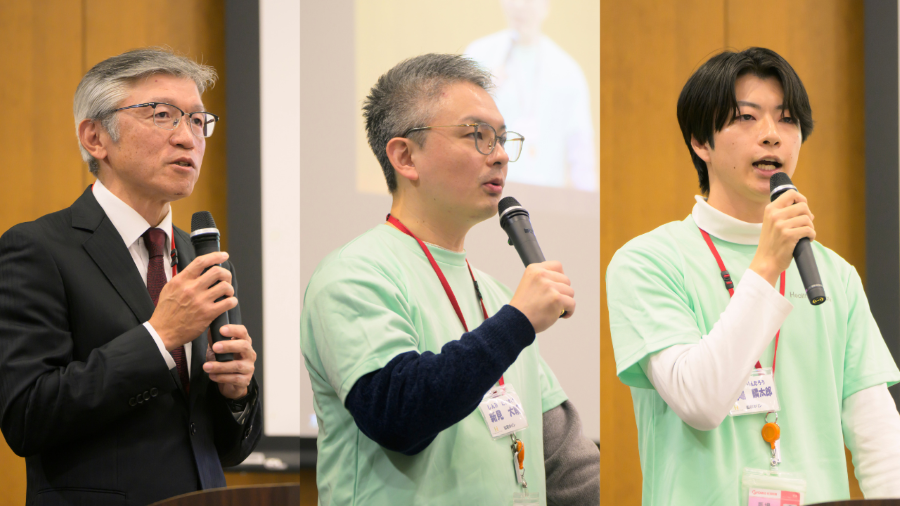
This session focused on transfusion therapy. Yoshifumi Torii, Global Research Head at the time (currently Chief Medical Officer) at Kyowa Kirin, emphasized the importance of dialogue in his opening remarks:
“In February 2024, Kyowa Kirin identified three focus disease areas, one of which is intractable hematological diseases and hemato oncology. We are committed to advancing our research in this field. By engaging in discussions with a diverse range of individuals involved in transfusion therapy, we aim to enhance our understanding and apply the insights gained today to our research activities.”
Next, Rintaro Baba, a project member and researcher, explained the decision to make transfusion therapy the event’s theme. He shared data related to transfusion therapy and made the following remarks:
“Transfusion therapy is an established treatment for various hematologic diseases. However, there are still unmet needs and insights, such as the physical changes and the challenges associated with regular transfusions, that may not be fully understood by pharmaceutical companies. Through today’s discussion, we aim to enhance our understanding of transfusion therapy and the social challenges that accompany it, to create value beyond medicines.”
How My Bone Marrow Transplant Day Became My “Second Birthday” and the Tremendous Support of Transfusion Therapy
Actor Mr. Daigo Higuchi shared his personal experience of battling illness in a lecture titled “What I Learned from Fighting Acute Myeloid Leukemia and Myelodysplastic Syndrome, and How Transfusion Therapy Helped.” At the age of 25, while training for a career as an action star, he was diagnosed with acute myeloid leukemia and underwent chemotherapy.
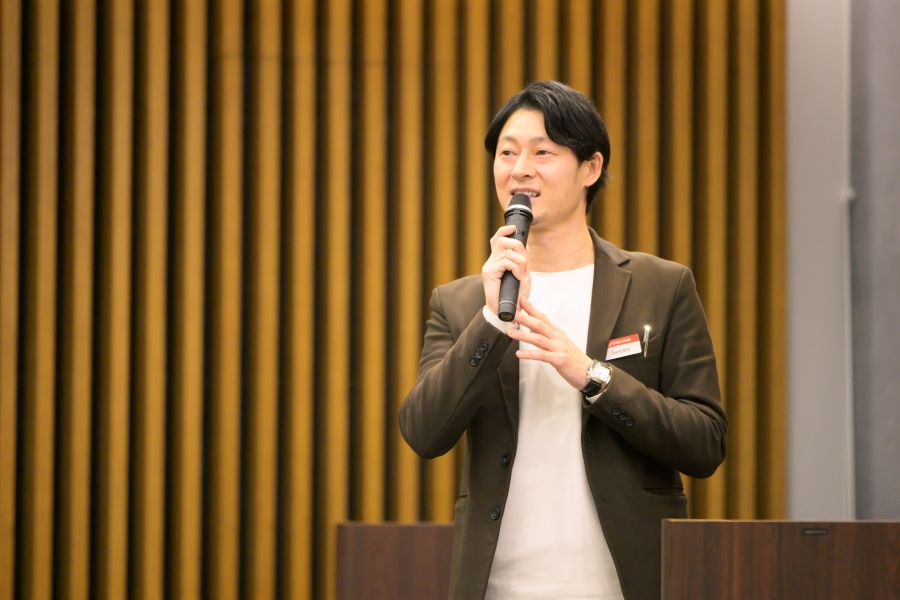
After achieving remission within about one year, he experienced a relapse at age 27 and was diagnosed with myelodysplastic syndrome. His physician informed him that chemotherapy would not be effective and that a bone marrow transplant would be necessary for survival. With no effective therapeutic drugs available, he spent the three years following discharge maintaining daily life while receiving transfusion therapy as needed.
“With very low levels of red blood cells, I would collapse from anemia. Without platelets, minor injuries wouldn’t stop bleeding. It was a situation where even a small injury could be life-threatening, but transfusion therapy helped me avoid that.”
In 2008, at age 30, his condition worsened rapidly, and a bone marrow transplant became urgent. Luckily, a donor was found through the bone marrow bank.
“The day of a bone marrow transplant is called your ‘second birthday.’ I became “17 years old” again. At 25, I thought my life was over, but 22 years later, I’m still here.”
Drawing on his experience, Mr. Higuchi produced the film Minna Ikiteiru: Futatsume no Tanjōbi (Everyone Is Living: My Second Birthday), released in 2023 and still being screened nationwide.
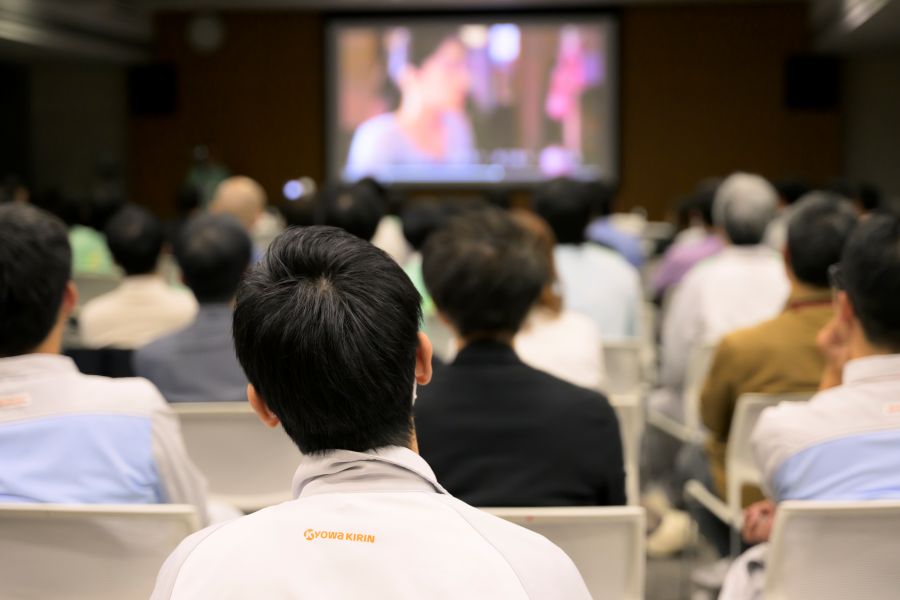
“My donor saved me, but I can’t express my gratitude directly. I hope this film reaches them. I also hope it gives courage and hope to those suffering right now, just as I once received, and that it helps save another life.”
He is now actively promoting blood donation awareness.
“I was healthy until 25, but I never donated blood. Now I wish I had. So many donors have saved me, and I want to help spread awareness in return.”
Discussing Transfusion Therapy with Patients, Healthcare professionals, Patient Advocacy Groups, and Pharmaceutical Companies
In addition to Mr. Higuchi, the panel discussion featured Dr. Kota Ohashi, the Director of Totus Homecare Clinic, Ms. Akiko Hashimoto, the Chief Director of NPO Tsubasa (a blood disorder information & support service), and Rintaro Baba of Kyowa Kirin. They discussed the theme of “Benefits of Transfusion Therapy and Current Initiatives.”
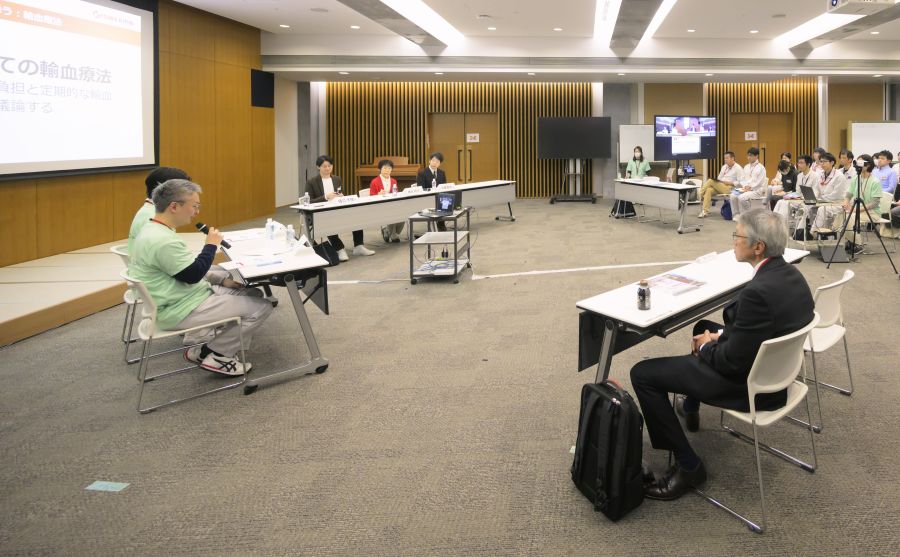
Part 1: Transfusion Therapy for Acute Myeloid Leukemia
Mr. Higuchi, who has undergone both red blood cell and platelet transfusions, reflected on his condition before and after transfusion and shared the changes he experienced. According to Dr. Ohashi, a decrease in red blood cells due to hematologic disorders can affect not only physical symptoms, such as palpitations and dizziness, but also a patient’s mental state. Drawing on his own experience of developing myelodysplastic syndrome, Dr. Ohashi noted, “What I initially thought was depression turned out to be due to a drop in my hemoglobin levels.”
Mr. Higuchi also spoke about experiencing an allergic reaction to platelet transfusions. “While I am truly grateful for transfusions, the thought of going through that discomfort again made me tense up, causing my veins to constrict and making it more difficult to insert the needle,” he shared.
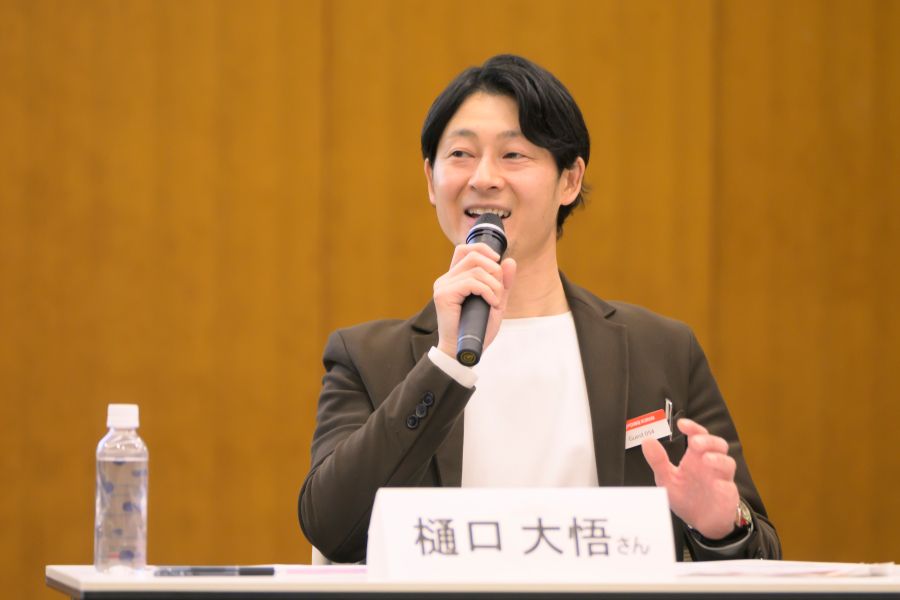
Part 2: Transfusion Therapy as Supportive Care
Supportive care encompasses treatments that do not directly target the underlying disease but instead help relieve symptoms and side effects related to the condition. Reflecting on the period following his relapse, when he was monitored during transfusion therapy, Mr. Higuchi said, “There hasn’t been a more mentally painful time for me than those three years.”
Dr. Ohashi commented on patients with low-risk myelodysplastic syndrome, like Mr. Higuchi:
“I believe many patients feel as though they have no treatment options and are simply waiting for their condition to worsen. When family or friends say things like, ‘You seem to be doing well since you have fewer hospital visits,’ patients often experience mixed emotions and a sense of isolation. Additionally, receiving transfusions can increase the awareness that they rely on others for survival. Some patients grapple with the thought that they can’t sustain themselves without this reliance on others. That’s why, during consultations, I make it a point to acknowledge and commend patients for getting through the past month.”
The discussion then shifted to the frequency of hospital visits required for transfusion therapy. The conversation expanded to include the burden not only on the patients but also on their family members who accompany them. This led to the understanding that balancing work and medical appointments is an issue that society as a whole needs to address.
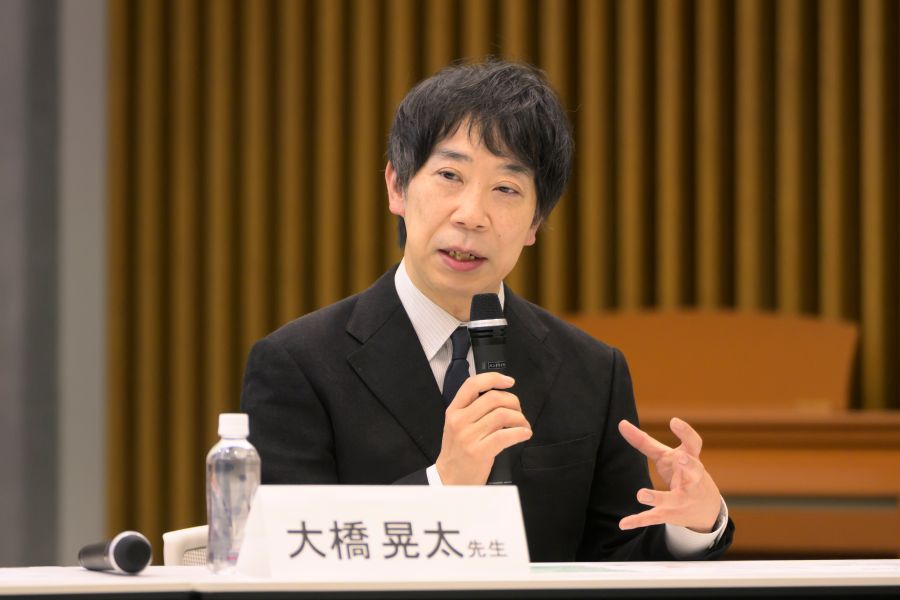
Part 3: The Future of Transfusion Therapy
In pharmacology, the term “toxicity” is often used to describe adverse effects, such as neurotoxicity. Dr. Ohashi highlighted that the time and economic burdens associated with transfusion therapy are significant challenges that can be referred to as “time toxicity” and “economic toxicity.” To address these issues, he is working to establish a system that allows patients across Japan to receive transfusions at home.
In response, Ms. Hashimoto commented, “When Dr. Ohashi first started home transfusions, I thought it was remarkable. I fully support his efforts. There are challenges, but I believe that if we move forward together, we can make this vision a reality.”
Mr. Higuchi shared that, after observing students actively participating in blood donation awareness activities at a high school where he was giving a talk, he realized that “without transfusions, I wouldn’t have made it to transplantation.” This realization inspired him to dedicate more effort to advocacy. Similarly, Ms. Hashimoto described the system of blood donation as a “culture,” highlighting that it is maintained through mutual support.
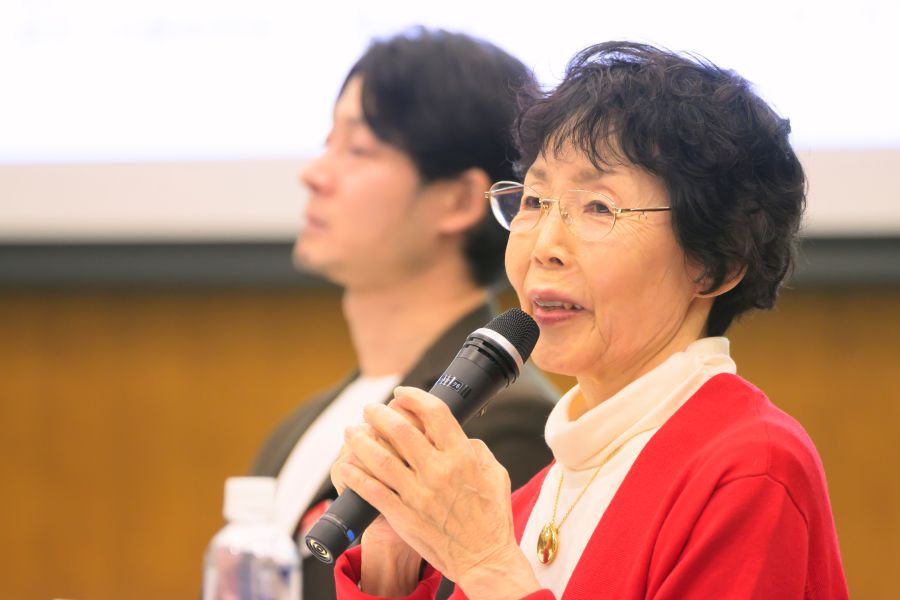
The panel discussion featured a lively, engaging exchange of perspectives. The audience’s questions and reflections indicated that all participants gained valuable insights from the event.
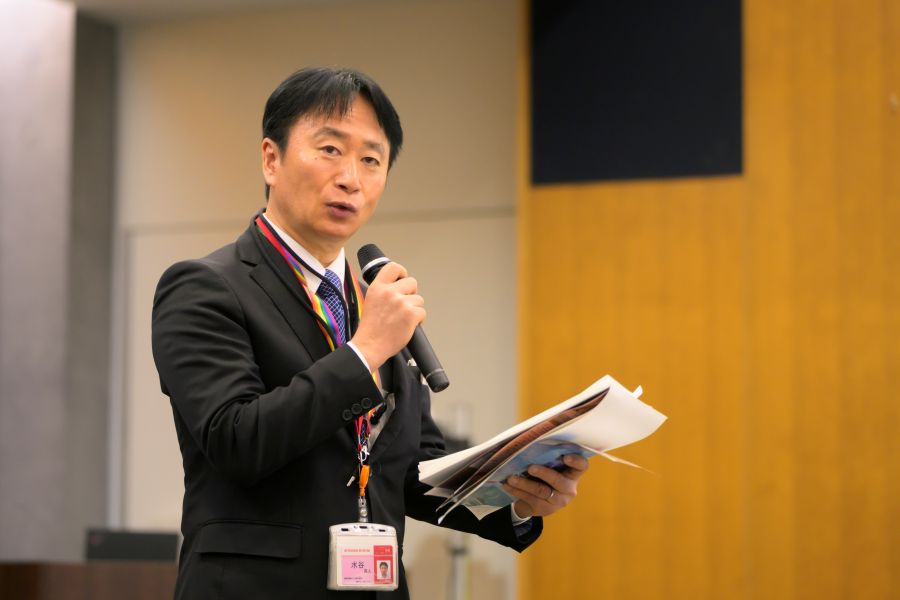
At the end of Part 1, Masato Mizutani, Head of Development Planning Department at the Development Division of Kyowa Kirin, delivered closing remarks, stating:
“Today, we have gained invaluable, lived insights from all of our distinguished speakers. Taking today’s discussion as a compass to guide us, we renew our commitment to stand in the shoes of patients and deliver medicines that are truly needed.”
Small-Group Dialogues: A Space for Sharing In-Depth Perspectives
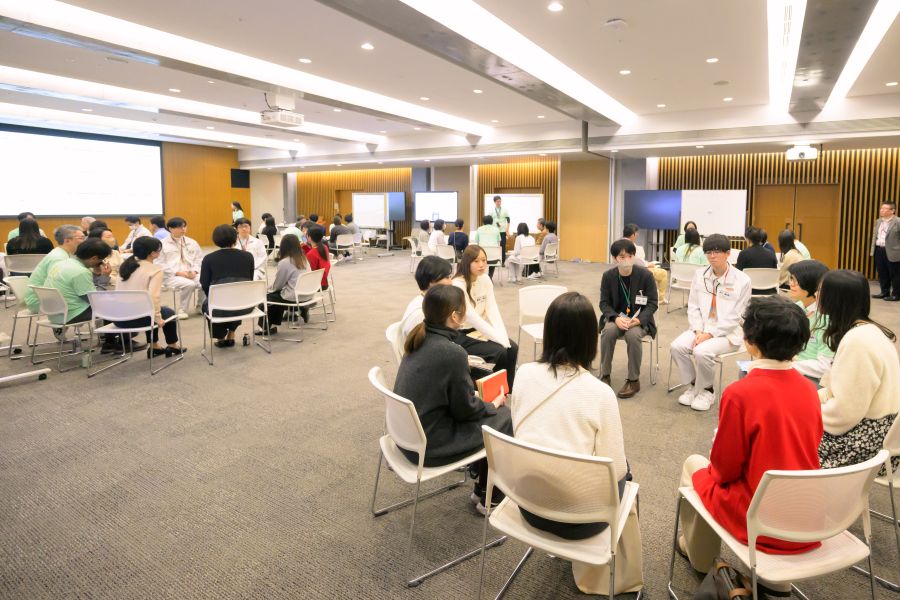
The dialogue session was conducted in a more intimate setting, with participants divided into six groups, each joined by Mr. Higuchi, Dr. Ohashi, or Ms. Hashimoto. Within each group, participants shared personal experiences, posed questions to the speakers, and at times, the speakers in turn asked questions of the researchers from the three participating companies.
Below are some comments shared by participants:
“As I listened to the discussion, I was reminded of why I first chose to pursue a career in the pharmaceutical industry. It brought back a moment from my training as a pharmacy student in the hospital when I felt a strong desire to support not only patients but also those around the patients. This reflection made me want to reconnect with my original motivation and give my best all over again.”
“Dr. Ohashi mentioned wanting to take ‘one more step.’ I felt that not only doctors, but people in various professions can each take that extra step, and when combined, those efforts can become a much bigger step forward.”
“I’ve come to understand the importance of listening to patients’ genuine voices when identifying unmet medical needs. It can be challenging for a single company to access these voices, which is why there is significant value in collaboration among the three companies on this initiative.”
“Today, everyone shared their personal experiences, which gave me motivation for my research. Talking about oneself helps us understand each other, and I realized through this dialogue session that this cycle can lead to improved well-being.”
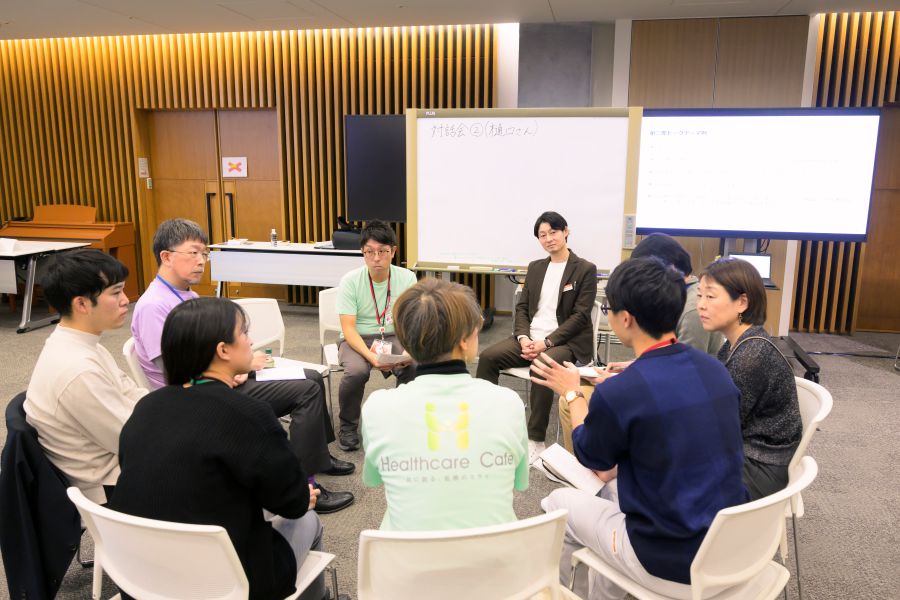
Reflections on the 10th Healthcare Café
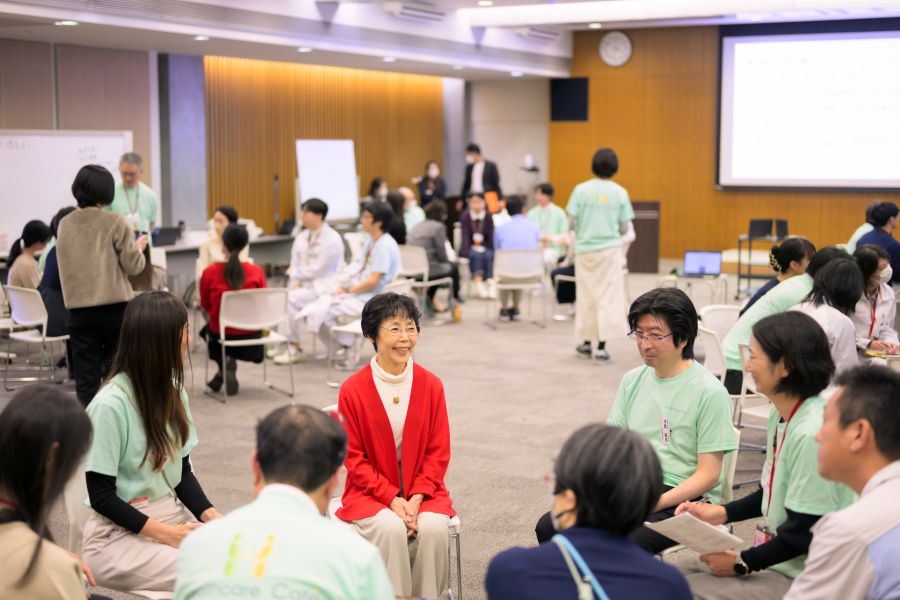
Reflecting on the dialogue session, moderator Shimmi remarked, “To be honest, I didn’t expect everyone to share such deeply personal and thoughtful reflections. I’m truly glad we held this session,” and brought the 10th Healthcare Café to a close with the following remarks:
“We often tend to view situations primarily through medical and technical perspectives, concentrating on diseases and treatments. However, today we heard human stories that highlighted the daily challenges people face. I hope you carry this sense of discovery and empathy with you, and take moments to recall it in your everyday work.
The phrase ‘walking alongside patients’ may sound simple, but its true meaning is shaped by the accumulation of concrete experiences, like the ones we shared today. I encourage you to share what you’ve learned in your workplaces, and I look forward to hearing about the actions each of you has taken at the next Healthcare Café.”
Comments were also shared by the core members who helped organize the event. For more details, please refer to the article below.
Thanks to everyone’s cooperation, this Healthcare Café once again became a valuable forum for dialogue. Kyowa Kirin will continue to listen sincerely to patients’ voices and strive to deliver valuable medicines as quickly as possible.
More Kyowa Kirin "Patients" Stories
Rare Disease Day 2025: Spreading Awareness and Support Holding Events Worldwide
Patients | August 29, 2025
Enhancing Patient-Centric Activities in Japan region’s Medical Affairs Department (MA Department): A Seminar with Guest Speakers, Including a Patient
Patients | August 19, 2025
Special Dialogue between the CEO & COO: Together, Pioneering New Horizons
Growth | July 24, 2025
“Healthcare Café” Report ─ A Platform for Patient Dialogue: Thinking About Hematopoietic Stem Cell Transplantation (Part One)
Patients | July 23, 2025
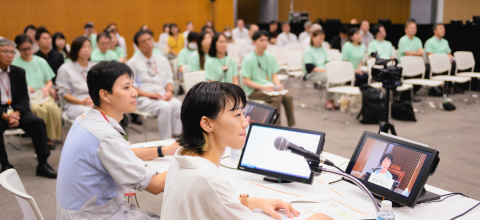
“Healthcare Café” Report ─ A Platform for Patient Dialogue: Thinking About Hematopoietic Stem Cell Transplantation (Part Two)
Patients | July 23, 2025
Special Discussion: Story for Vision 2030
Growth | June 23, 2025
PRIDE MONTH Message from Abdul Mullick, President and COO
People & Culture | June 2, 2025
Listening to Patients’ Voice and Responding to Their Needs: Kyowa Kirin's Patient Engagement Activities
Patients | March,18, 2025
Kyowa Kirin CPO Itagaki’s message for International Women’s Day
People & Culture | March 7, 2025
What is the Kyowa Kirin Group’s health and productivity management initiative, Wellness Action 2025?
People & Culture | February 10, 2025
Rare Disease Day 2025 - More Than You Can Imagine
Patients | February,7, 2025

Kyowa Kirin CEO Miyamoto’s New Year Message: Accelerate Our Reforms with Determination for Delivering Life-changing Value to Patients
Growth | January 14, 2025
Kyowa Kirin Hosted Booth at Tokyo Rainbow Pride 2024 for a Second Year in a Row: Initiatives for Accelerating DE&I and the Ideal State a Company Should Strive to Be (Part One)
People & Culture | October 15, 2024
Kyowa Kirin Hosted Booth at Tokyo Rainbow Pride 2024 for a Second Year in a Row: Initiatives for Accelerating DE&I and the Ideal State a Company Should Strive to Be (Part Two)
People & Culture | October 15, 2024
Strengthening our training framework to tackle the biopharmaceutical engineer shortage
People & Culture | September 20, 2024
Highlighting Kyowa Kirin's initiatives across regions for PRIDE MONTH 2024
People & Culture | September 13, 2024
Bio Adventure: Kyowa Kirin’s works with local communities on project to foster future scientists
People & Culture | August 9, 2024
PRIDE MONTH Message from Jeremy Morgan, President, Kyowa Kirin International plc (EMEA region)
People & Culture | July 5, 2024
Kyowa Kirin launches the CTCL Global Care Collaborative’s Time to Act global consensus statement
Patients | May 13, 2024
Kyowa Kirin Global Corporate Planning Head Shoko Itagaki’s Message for International Women's Day
People & Culture | March 8, 2024
Kyowa Kirin CEO Miyamoto’s New Year Message
Growth | January 9, 2024
Kyowa Kirin Chief International Business Officer Abdul Mullick’s Message on UN’s International Day of Persons with Disabilities
Sustainability | December 1, 2023
Kyowa Kirin hosted a booth for the first time at the Tokyo Rainbow Pride 2023 [Our Diversity, Equity & Inclusion]
People & Culture | November 9, 2023
Our Stable Supply of High-quality Pharmaceuticals
Sustainability | September 20, 2023

Provide pharmaceuticals for unmet medical needs - A Conversation with Kyowa Kirin’s R&D Executives
Innovation | August 22, 2023
Ensure a Thriving Global Environment for Future Generations
Sustainability | July 28, 2023

“Menstruation” and “fertility treatment” felt like taboo subjects in the workplace - Why be open about issues unique to women? PartⅡ
People & Culture | June 9, 2023
“Menstruation” and “fertility treatment” felt like taboo subjects in the workplace - Why be open about issues unique to women? PartⅠ
People & Culture | April 25, 2023
Kyowa Kirin CEO Miyamoto’s Message on Rare Disease Day
Patients | February 28, 2023
Promoting patient advocacy and nurturing patient-centric care: Interview with Kyowa Kirin North America
Patients | February 14, 2023

Celebrating another year of diverse initiatives around the world: RDD 2022 in EMEA
Patients | January 24, 2023

Celebrating another year of diverse initiatives around the world: RDD 2022 in North America
Patients | December 15, 2022

Celebrating another year of diverse initiatives around the world: RDD 2022 in Asia Pacific
Patients | November 21, 2022
Celebrating another year of diverse initiatives around the world: RDD 2022 in Japan
Patients | October 20, 2022
Providing high-quality pharmaceuticals to patients around the world
Sustainability | September 22, 2022
Striving to create life-changing “Only-one value” that brings smiles to patients
Innovation | July 25, 2022
Kyowa Kirin International: It's Time to Shine A Light on XLH
Patients | June 27, 2022
Kyowa Kirin CEO Miyamoto’s Message on Pride Month
People & Culture | June 9, 2022
Kyowa Kirin International Celebrates the UN’s International Day of Persons with Disabilities in EMEA
People & Culture | January 20, 2022

Kyowa Kirin International: Around the world challenge
People & Culture | December 17, 2021

Kyowa Kirin North America: Honoring The Caregiver, Everyday Heroes, During National Family Caregivers Month
Patients | November 19, 2021
Kyowa Kirin's Effort to Realize a Sustainable Society
Sustainability | October 11, 2021

Our Financial Strategy for Creating Life-changing Value
Growth | September 9, 2021
Changes in society caused by COVID-19 and the impact on Kyowa Kirin
Growth | August 19, 2021
Bio Adventure Hands-On Experience Sessions: Become a drug discovery researcher During Your Summer Break
Sustainability | July 27, 2021
AMGEN AND KYOWA KIRIN TO JOINTLY DEVELOP AND COMMERCIALIZE KHK4083, A PHASE 3-READY, POTENTIAL FIRST-IN-CLASS TREATMENT FOR ATOPIC DERMATITIS
News Release | June 1, 2021

MEI Pharma and Kyowa Kirin Announce New Clinical Data on Zandelisib at American Society of Clinical Oncology Annual Meeting
News Release | May 20, 2021

White Paper on the unrecognized burden of XLH in adults in Europe
Patients | July 13, 2020

Empowering Children to Ask "Why?": Tohoku University Science Campus Hands-On Science Lessons (First Half)
People & Culture | March 5, 2020
Empowering Children to Ask "Why?": Tohoku University Science Campus Hands-On Science Lessons (Second Half)
People & Culture | March 5, 2020
“Delivering smiles with sports” Creating an inclusive society through table tennis
Sustainability | January 14, 2020
Bio Adventure*: Kyowa Kirin Invites Children to a Science Adventure
People & Culture | July 3, 2019