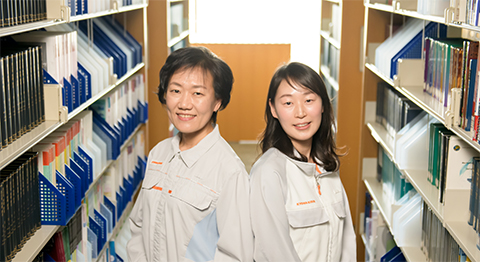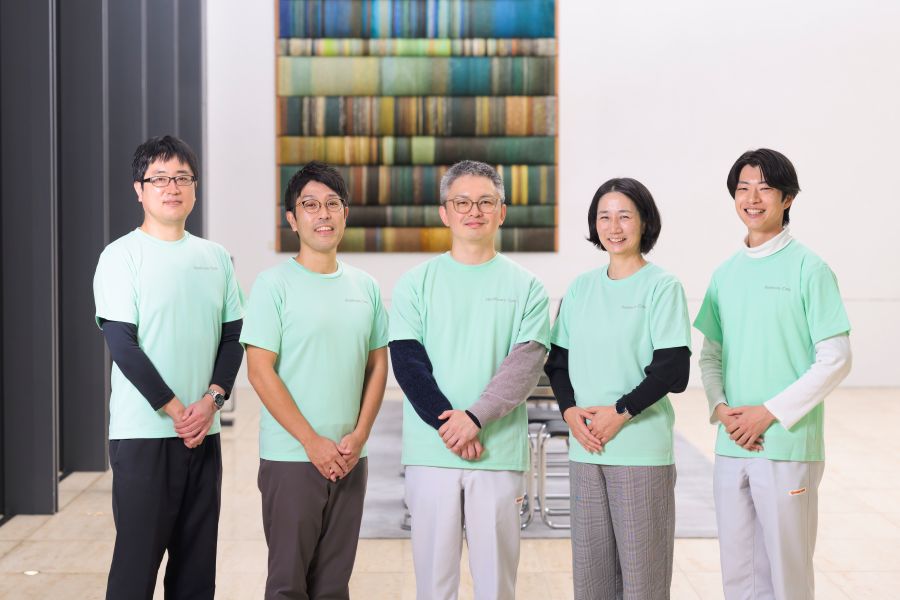
The Healthcare Café is an initiative aimed at understanding patients’ genuine needs through dialogue with them and their families. This initiative is a collaborative effort between Kyowa Kirin, Takeda Pharmaceuticals, and Daiichi Sankyo. The 10th session, held in December 2025, was organized and managed by Kyowa Kirin.
Click here to see highlights from the session.
The Healthcare Café is organized by members chosen through an internal open call. In this article, we share insights from the core members who coordinated this session.
I work in the purification of biologics that are candidates for development, as well as in their quality evaluation. As such, I rarely have opportunities in my day-to-day work to research diseases from a patient perspective or to speak directly with patients. That is precisely why I volunteered to join the organizing team for the Healthcare Café—to engage directly with patients and to help foster a culture among researchers of understanding patient perspectives from the earliest stages of drug discovery. I saw this as an important first step toward delivering valuable medicines more quickly.
When the team came together to decide on a theme, each member had different areas of interest. Precisely because of this diversity, I believe we were able to have meaningful discussions and arrive at a truly relevant theme. Once the plan was in place, each member took initiative, leveraging their own expertise and experience. It truly embodied the KABEGOE Principles of becoming a “super team with shared vision.” Harnessing our differences and working toward a common goal was a valuable learning experience.
As we prepared for the event, Mr. Higuchi and Ms. Hashimoto kindly gave us their time and shared their experiences in depth. What I came to realize was that understanding patient perspectives does more than deepen our knowledge of diseases and treatments. It is also the first step toward understanding the society and culture surrounding patients, and toward co-creating better healthcare experiences. While we are a company that delivers medicines, we also aspire to be a presence that supports patients throughout their lives and creates new value. Even though patients may be represented statistically as “n=1,” each has a deeply personal journey, filled with conflicts and anxieties about treatment, as well as hopes and wishes. Through this experience, I strongly feel the importance of sharing these insights with many of our colleagues, and I hope it will encourage everyone to once again reflect on the true meaning of creating medicines.
(Leader, Daisuke Shimmi, Core Research Laboratories Research Division)
I participated in this initiative because I wanted to help foster a patient-centric mindset in some way. The Healthcare Café reminded me that the pharmaceutical research and development we engage in brings hope to many, including patients, healthcare professionals, and caregivers. It reaffirmed my sense of fulfillment and the responsibility I feel toward my work. At the same time, I was strongly reminded that many challenges remain that cannot yet be addressed by medicine alone. We must not forget that there are patients for whom treatments are not applicable, those who continue to suffer without achieving meaningful outcomes, and those who have lost their lives. Through my interactions with everyone who contributed to this event, I have renewed my commitment to maintaining a mindset that values patients’ perspectives and voices, and to applying these insights to value creation as we advance pharmaceutical development.
(Hiroki Kitabayashi, Biometrics Department, Development Division)
I work on exploratory research on hematologic disorders. In this field, there are numerous symptomatic treatments that involve physical medical procedures, such as transfusions to replenish deficient blood components, plasma exchange to remove harmful blood components and replace them with healthy ones, and phlebotomy to reduce excess blood cells. While therapies aimed at curing these conditions are essential, symptomatic treatments that improve patients’ quality of life are also vital for those with hematologic diseases. I joined this initiative because I wanted to better incorporate patients’ voices into the drug discovery process. As I am in the early stages of my career, I felt it was important to cultivate a patient-centric mindset from the beginning. Meeting individuals who are desperately waiting for new treatments has strengthened my resolve to deliver life-changing therapies as quickly as possible. I was reminded that, just as the culture of blood donation has become well-established also in Japan and technologies like peripheral blood stem cell collection have advanced through apheresis, we can make significant progress by taking further steps in our work while always keeping patients at the center.
Pharmaceutical companies, physicians, and patient advocacy groups all have distinct roles in the healthcare system. By prioritizing the needs of those waiting for new treatments, fostering strong relationships, and fully committing to our individual responsibilities, we can create a significant positive impact. This experience reinforced that belief for me.
(Rintaro Baba, Innovation Center, Research Division)
I am not directly involved in research and development projects. I joined the organizing team to explore the significance of patient engagement activities and what that means for me. While I find it personally moving to listen to patients’ stories, I often wonder how those experiences can be translated into meaningful actions. I thought that by collaborating with patients to shape this initiative, I might start to find some answers. Through this initiative, I gained a tangible understanding that “living with and fighting a disease” is an experience that unfolds day by day. This realization prompted me to reflect not only on the course of a disease but also on how to improve patients’ day-to-day experiences. It has also raised new questions for me about my own role in this context. As for my original goal of understanding the meaning of patient engagement, I arrived at one simple answer: it is about “connection.” By connecting with patients, I believe those connections can extend to others around me, and I hope that in doing so, new possibilities will continue to emerge.
(Yoshimi Maekawa, Development Planning Department, Development Division)
It’s often said that exploratory research is far removed from patients. Having previously attended the Healthcare Café as an audience member, I found it a valuable opportunity to hear patients’ authentic voices firsthand. I believed that by joining the organizing team, I would be able to engage more deeply with patients and those around them, so I decided to take a step forward without hesitation and applied. Through the Healthcare Café, I was able to hear directly about the challenges patients truly face—insights that cannot be fully captured through written sources such as academic papers or clinical guidelines. In addition, we were able to share our perspectives among the core members and communicate them to patients, which made me feel that joining the organizing team was truly worthwhile. Collaboratively building something from the ground up with members from different departments was challenging, but it provided a unique sense of accomplishment that differs from my typical work.
(Yuhei Hotta, Research Planning Department, Research Division)
The reflections shared by core members reveal a renewed commitment that arose from reexamining perspectives from the patients’ point of view. At Kyowa Kirin, we will continue to create opportunities—driven by our employees—to listen to patients’ voices and deepen our understanding of their experiences and challenges.
More Kyowa Kirin "Patients" Stories
Rare Disease Day 2025: Spreading Awareness and Support Holding Events Worldwide
Patients | August 29, 2025
Enhancing Patient-Centric Activities in Japan region’s Medical Affairs Department (MA Department): A Seminar with Guest Speakers, Including a Patient
Patients | August 19, 2025
Special Dialogue between the CEO & COO: Together, Pioneering New Horizons
Growth | July 24, 2025
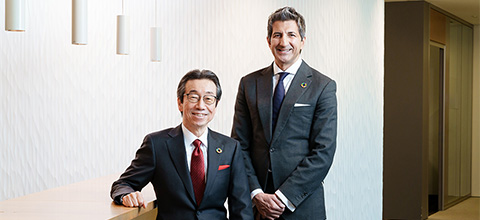
“Healthcare Café” Report ─ A Platform for Patient Dialogue: Thinking About Hematopoietic Stem Cell Transplantation (Part One)
Patients | July 23, 2025
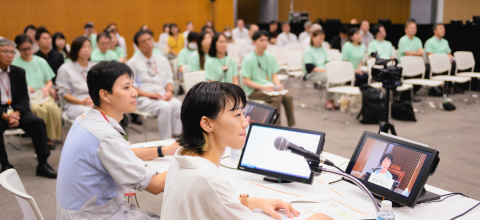
“Healthcare Café” Report ─ A Platform for Patient Dialogue: Thinking About Hematopoietic Stem Cell Transplantation (Part Two)
Patients | July 23, 2025
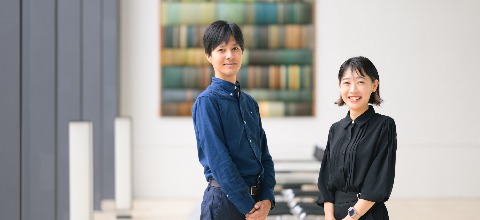
Special Discussion: Story for Vision 2030
Growth | June 23, 2025
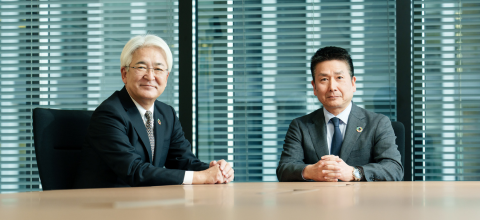
PRIDE MONTH Message from Abdul Mullick, President and COO
People & Culture | June 2, 2025
Listening to Patients’ Voice and Responding to Their Needs: Kyowa Kirin's Patient Engagement Activities
Patients | March,18, 2025
Kyowa Kirin CPO Itagaki’s message for International Women’s Day
People & Culture | March 7, 2025
What is the Kyowa Kirin Group’s health and productivity management initiative, Wellness Action 2025?
People & Culture | February 10, 2025
Rare Disease Day 2025 - More Than You Can Imagine
Patients | February,7, 2025

Kyowa Kirin CEO Miyamoto’s New Year Message: Accelerate Our Reforms with Determination for Delivering Life-changing Value to Patients
Growth | January 14, 2025
Kyowa Kirin Hosted Booth at Tokyo Rainbow Pride 2024 for a Second Year in a Row: Initiatives for Accelerating DE&I and the Ideal State a Company Should Strive to Be (Part One)
People & Culture | October 15, 2024
Kyowa Kirin Hosted Booth at Tokyo Rainbow Pride 2024 for a Second Year in a Row: Initiatives for Accelerating DE&I and the Ideal State a Company Should Strive to Be (Part Two)
People & Culture | October 15, 2024
Strengthening our training framework to tackle the biopharmaceutical engineer shortage
People & Culture | September 20, 2024
Highlighting Kyowa Kirin's initiatives across regions for PRIDE MONTH 2024
People & Culture | September 13, 2024

Bio Adventure: Kyowa Kirin’s works with local communities on project to foster future scientists
People & Culture | August 9, 2024
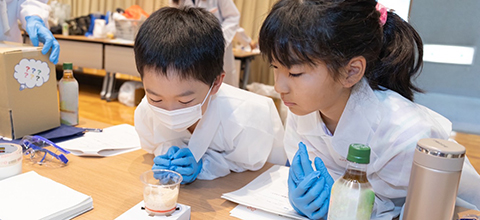
PRIDE MONTH Message from Jeremy Morgan, President, Kyowa Kirin International plc (EMEA region)
People & Culture | July 5, 2024
Kyowa Kirin launches the CTCL Global Care Collaborative’s Time to Act global consensus statement
Patients | May 13, 2024
Kyowa Kirin Global Corporate Planning Head Shoko Itagaki’s Message for International Women's Day
People & Culture | March 8, 2024
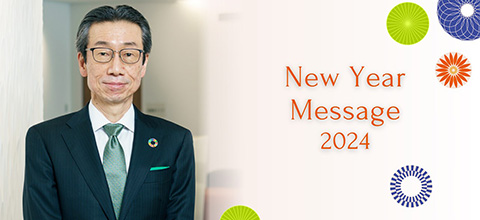
Kyowa Kirin CEO Miyamoto’s New Year Message
Growth | January 9, 2024
Kyowa Kirin Chief International Business Officer Abdul Mullick’s Message on UN’s International Day of Persons with Disabilities
Sustainability | December 1, 2023
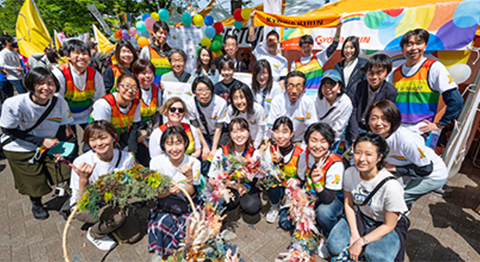
Kyowa Kirin hosted a booth for the first time at the Tokyo Rainbow Pride 2023 [Our Diversity, Equity & Inclusion]
People & Culture | November 9, 2023
Our Stable Supply of High-quality Pharmaceuticals
Sustainability | September 20, 2023
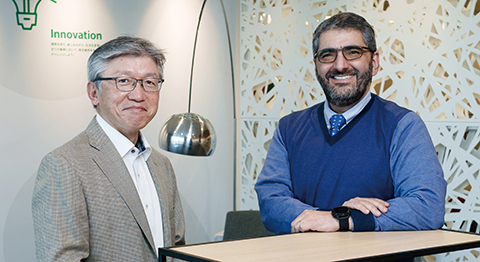
Provide pharmaceuticals for unmet medical needs - A Conversation with Kyowa Kirin’s R&D Executives
Innovation | August 22, 2023
Ensure a Thriving Global Environment for Future Generations
Sustainability | July 28, 2023
“Menstruation” and “fertility treatment” felt like taboo subjects in the workplace - Why be open about issues unique to women? PartⅡ
People & Culture | June 9, 2023
“Menstruation” and “fertility treatment” felt like taboo subjects in the workplace - Why be open about issues unique to women? PartⅠ
People & Culture | April 25, 2023
Kyowa Kirin CEO Miyamoto’s Message on Rare Disease Day
Patients | February 28, 2023
Promoting patient advocacy and nurturing patient-centric care: Interview with Kyowa Kirin North America
Patients | February 14, 2023

Celebrating another year of diverse initiatives around the world: RDD 2022 in EMEA
Patients | January 24, 2023

Celebrating another year of diverse initiatives around the world: RDD 2022 in North America
Patients | December 15, 2022

Celebrating another year of diverse initiatives around the world: RDD 2022 in Asia Pacific
Patients | November 21, 2022
Celebrating another year of diverse initiatives around the world: RDD 2022 in Japan
Patients | October 20, 2022
Providing high-quality pharmaceuticals to patients around the world
Sustainability | September 22, 2022
Striving to create life-changing “Only-one value” that brings smiles to patients
Innovation | July 25, 2022
Kyowa Kirin International: It's Time to Shine A Light on XLH
Patients | June 27, 2022
Kyowa Kirin CEO Miyamoto’s Message on Pride Month
People & Culture | June 9, 2022
Kyowa Kirin International Celebrates the UN’s International Day of Persons with Disabilities in EMEA
People & Culture | January 20, 2022

Kyowa Kirin International: Around the world challenge
People & Culture | December 17, 2021

Kyowa Kirin North America: Honoring The Caregiver, Everyday Heroes, During National Family Caregivers Month
Patients | November 19, 2021
Kyowa Kirin's Effort to Realize a Sustainable Society
Sustainability | October 11, 2021

Our Financial Strategy for Creating Life-changing Value
Growth | September 9, 2021
Changes in society caused by COVID-19 and the impact on Kyowa Kirin
Growth | August 19, 2021
Bio Adventure Hands-On Experience Sessions: Become a drug discovery researcher During Your Summer Break
Sustainability | July 27, 2021
AMGEN AND KYOWA KIRIN TO JOINTLY DEVELOP AND COMMERCIALIZE KHK4083, A PHASE 3-READY, POTENTIAL FIRST-IN-CLASS TREATMENT FOR ATOPIC DERMATITIS
News Release | June 1, 2021

MEI Pharma and Kyowa Kirin Announce New Clinical Data on Zandelisib at American Society of Clinical Oncology Annual Meeting
News Release | May 20, 2021

White Paper on the unrecognized burden of XLH in adults in Europe
Patients | July 13, 2020

Empowering Children to Ask "Why?": Tohoku University Science Campus Hands-On Science Lessons (First Half)
People & Culture | March 5, 2020
Empowering Children to Ask "Why?": Tohoku University Science Campus Hands-On Science Lessons (Second Half)
People & Culture | March 5, 2020
“Delivering smiles with sports” Creating an inclusive society through table tennis
Sustainability | January 14, 2020
Bio Adventure*: Kyowa Kirin Invites Children to a Science Adventure
People & Culture | July 3, 2019